
What Does a Propshaft Do? Function, Parts & Maintenance
Published by Propshaft Master
A propshaft is one of the most important yet often overlooked components within any vehicle or industrial transmission system. Whether it's powering a haul truck in a mine, an agricultural tractor in the field or a marine vessel at sea, the propshaft plays a critical role in transferring mechanical power from one part of the driveline to another.
Although it appears to be a simple rotating tube, a propshaft is a precision-engineered component designed to transmit high levels of torque while accommodating movement, vibration and changes in operating angles. Without it, power generated by the engine or motor would never reach the driven wheels, tracks or propellers.
Understanding how a propshaft works, the components that make up the assembly and the warning signs of failure can help maintenance teams reduce downtime, improve equipment reliability and extend the lifespan of valuable machinery.
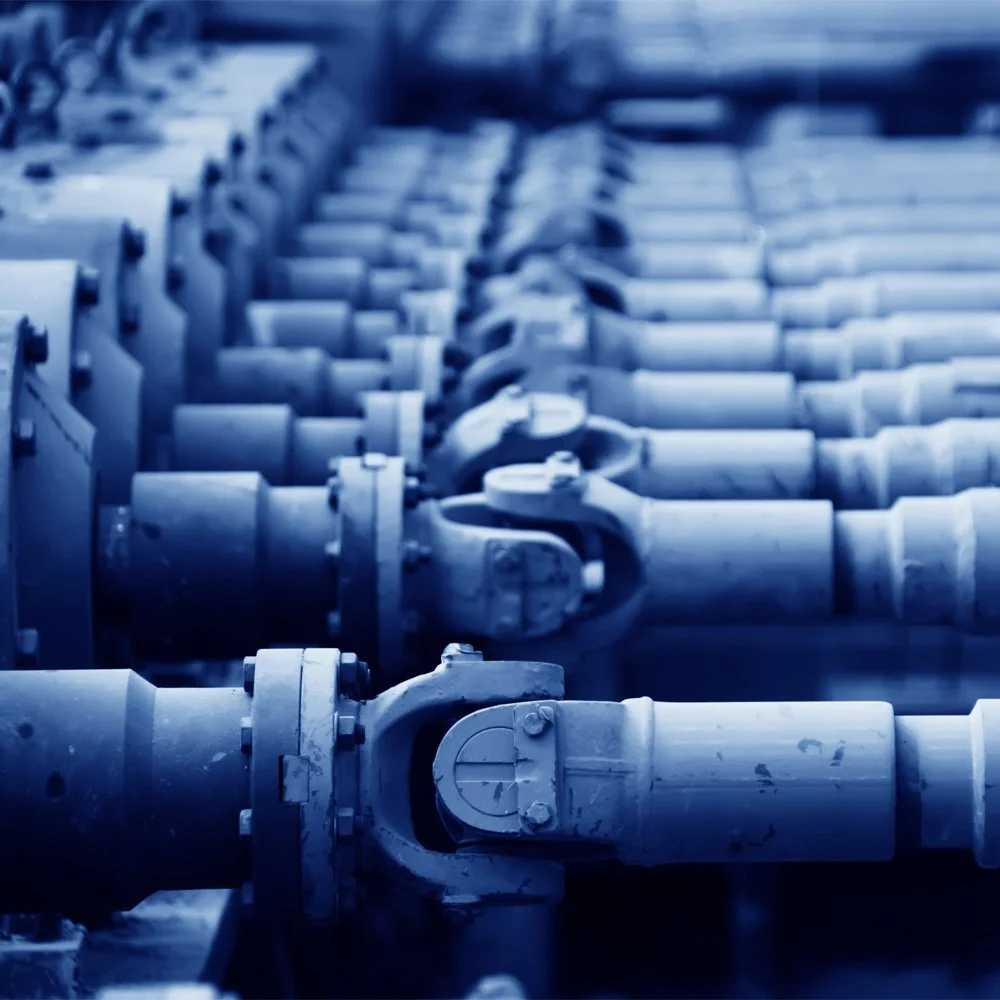
Propshafts are essential driveline components that transmit rotational power from the transmission to the differential, enabling efficient power delivery in heavy-duty vehicles and industrial equipment.
What is a Propshaft?
A propshaft, also known as a propeller shaft or driveshaft, is a rotating shaft that transfers torque between two mechanical components within a driveline. Its primary purpose is to deliver rotational power from the transmission, transfer case or gearbox to the differential or another driven component when those parts cannot be connected directly.
Unlike a solid connection, the propshaft must continue transmitting power even as machinery moves. Suspension travel, chassis flex, steering movement and vibration all create changes in alignment that the shaft must accommodate without interrupting torque transmission.
Propshafts are therefore found wherever reliable mechanical power needs to be transferred across varying distances and operating angles.
Examples include:
Mining haul trucks
Construction and earthmoving equipment
Commercial trucks and buses
Agricultural machinery
Marine propulsion systems
Rail equipment
Industrial manufacturing machinery
Although designs differ depending on the application, the engineering principles remain the same across most industries.
What Does a Propshaft Do?
A propshaft transfers rotational power and torque from the transmission or gearbox to the driven axle or machinery while allowing movement between connected components. It uses precision-engineered joints and balanced rotating components to maintain smooth, efficient power transmission under varying operating conditions.
How Does a Propshaft Work?
To understand how a propshaft works, it helps to follow the path that power takes through a typical driveline. The engine produces rotational energy which passes through the clutch or torque converter into the gearbox. From there, power exits the transmission and enters the propshaft.
As the shaft rotates, it carries torque to the differential or final drive, where the rotational force is distributed to the wheels, tracks or other driven equipment. The challenge is that these components are rarely perfectly aligned. Heavy equipment constantly moves while operating. Suspension systems compress, chassis frames flex under load and machinery operates over uneven terrain. If the transmission and differential were connected using a rigid shaft, excessive stress would quickly damage the drivetrain.
Instead, the propshaft incorporates flexible components that allow it to continue transmitting power while compensating for angular and length changes. This ability to transmit torque while accommodating movement makes the propshaft one of the most versatile components in an industrial driveline.
Main Propshaft Components
Although designs vary between industries, most propshaft assemblies consist of several essential components working together.
Universal Joints
Universal joints (commonly called U-joints) allow the propshaft to transmit power between shafts operating at different angles. As suspension movement or chassis articulation changes the alignment of the driveline, the universal joints continue transmitting rotational motion without interrupting power delivery.
Because these joints experience continuous movement under load, they are among the most common wear items in any driveline. Poor lubrication, contamination and excessive operating angles can significantly reduce their service life.
Slip Joint
The slip joint allows the propshaft to change length during operation. As axles move closer to or further away from the transmission, the propshaft must be able to extend and compress slightly.
Without this movement, enormous axial forces would develop throughout the driveline, causing premature failure of bearings, gearboxes and other rotating components. A properly maintained slip joint ensures smooth movement while maintaining accurate torque transmission.
Centre Bearing
Long propshaft assemblies are often divided into two or more sections. A centre bearing supports these longer shafts, reducing deflection and vibration while maintaining alignment.
The bearing also helps distribute loads more evenly throughout the assembly, particularly in heavy commercial vehicles and industrial equipment. Failure of a centre bearing often results in increased vibration, excessive movement and accelerated wear throughout the driveline.
Propshaft Tubing
The tube forms the main body of the propshaft. Although it may appear simple, the tubing is manufactured to strict tolerances for strength, straightness and balance. Different applications require different materials depending on operating loads, rotational speeds and environmental conditions. Heavy industrial applications typically use high-strength steel, while specialised performance or weight-sensitive applications may benefit from aluminium or carbon fibre designs.
Flanges and Yokes
Flanges connect the propshaft securely to the transmission, gearbox or differential. Yokes provide the mounting points for universal joints and help ensure correct alignment throughout the driveline. These components must be manufactured with high precision to prevent imbalance and premature wear.
Dynamic Balancing
Every propshaft must be accurately balanced. Even small imbalances become significant as rotational speed increases. An unbalanced propshaft creates vibration that can damage bearings, seals, gearboxes, differentials and surrounding driveline components. Dynamic balancing ensures smooth operation across the shaft's intended operating range and is a critical part of both manufacturing and repair.
How Torque Is Transmitted
Torque transmission is the primary function of every propshaft. Torque refers to the rotational force generated by an engine or motor. The propshaft transfers this force through the driveline with minimal energy loss while maintaining smooth rotation.
Several engineering factors influence efficient torque transmission:
Shaft diameter
Material strength
Wall thickness
Universal joint operating angles
Rotational speed
Dynamic balance
Overall driveline alignment
When these factors are correctly engineered, the driveline delivers reliable performance even under demanding operating conditions. Poor alignment or worn driveline components, however, can reduce efficiency and significantly increase maintenance costs.
Industries That Depend on Propshafts
Propshafts are essential across numerous industries where mechanical power must be transmitted reliably.
Mining
Mining equipment operates under some of the harshest conditions imaginable. Large haul trucks, underground vehicles and drilling equipment rely on robust propshaft assemblies capable of transmitting high torque while withstanding continuous shock loads.
Transport and Logistics
Commercial trucks and buses depend on reliable driveline performance to transport goods safely over long distances. Unexpected propshaft failure can result in costly downtime and vehicle recovery.
Construction
Excavators, loaders, graders and other earthmoving equipment operate continuously on uneven terrain. Their driveline components must accommodate constant articulation while maintaining efficient power transmission.
Agriculture
Modern agricultural machinery experiences varying loads throughout planting, harvesting and cultivation seasons. Reliable propshaft performance is essential for maintaining productivity during critical operating periods.
Marine
Marine propulsion systems rely on accurately aligned rotating shafts to transfer power from the engine to the propeller. Proper balancing and alignment help minimise vibration while improving operating efficiency.
Rail
Rail maintenance vehicles and specialised rolling stock also depend on heavy-duty driveline systems capable of operating reliably under demanding service conditions.
Common Causes of Propshaft Failure
Although propshafts are designed for durability, several issues commonly contribute to failure.
Worn Universal Joints
As universal joints wear, clearances increase, resulting in vibration, knocking noises and reduced driveline efficiency. Ignoring worn joints often leads to more extensive component damage.
Slip Joint Wear
Insufficient lubrication or contamination can cause excessive wear within the slip joint, leading to binding or excessive movement.
Imbalance
Damage to the shaft, missing balance weights or incorrect repairs can introduce imbalance. This often appears as vibration that increases with vehicle or shaft speed.
Misalignment
Incorrect installation or worn mounting components may cause the propshaft to operate outside its intended alignment. Persistent misalignment places additional stress on bearings and universal joints.
Overloading
Operating machinery beyond its designed capacity increases torque loads throughout the driveline. Repeated overloading accelerates fatigue and shortens component life.
Corrosion
Harsh operating environments can cause corrosion that weakens components and affects balance. Regular inspections help identify corrosion before structural integrity is compromised.
Warning Signs of Propshaft Problems
Recognising early warning signs can prevent more serious failures.
Common symptoms include:
Persistent driveline vibration
Knocking or clunking noises
Squeaking during acceleration
Grease leakage around universal joints
Excessive movement within joints
Visible damage to the shaft
Difficulty maintaining driveline alignment
Any of these symptoms should prompt a detailed inspection before continued operation.
Propshaft Repair or Replacement?
Not every damaged propshaft requires complete replacement. Many assemblies can be successfully repaired when the damage is limited to serviceable components.
Typical repair work may include:
Universal joint replacement
Centre bearing replacement
Slip joint refurbishment
Straightening
Dynamic balancing
Tube replacement
Flange repairs
Replacement generally becomes necessary when structural damage, severe corrosion or excessive wear makes repair uneconomical or compromises safety. A thorough engineering inspection is the best way to determine the most appropriate solution.
Preventative Maintenance
Preventative maintenance remains the most effective way to maximise propshaft reliability.
Regular inspection programmes should include:
Checking universal joints for excessive play
Inspecting centre bearings
Verifying fastener torque
Looking for grease leakage
Monitoring driveline vibration
Inspecting for dents or impact damage
Checking shaft alignment
Following lubrication schedules recommended by the equipment manufacturer
Early intervention is almost always less expensive than responding to catastrophic driveline failure. Routine maintenance also reduces unexpected downtime while extending the lifespan of surrounding driveline components.
Practical Takeaways
A propshaft transfers rotational power between major driveline components.
Universal joints allow torque transmission despite changing operating angles.
Slip joints compensate for changes in shaft length during operation.
Dynamic balancing is essential for smooth, reliable performance.
Regular inspections help identify wear before major failures occur.
Excessive vibration should never be ignored.
Correct alignment significantly improves driveline life.
Many propshaft assemblies can be repaired instead of replaced.
Preventative maintenance reduces downtime and long-term operating costs.
How Propshaft Master Can Help
Maintaining a reliable driveline requires more than simply replacing worn components. Accurate diagnosis, precision engineering and a thorough understanding of operating conditions all contribute to long-term performance.
Propshaft Master supports customers across Southern Africa with comprehensive driveline services for mining, transport, rail, agriculture, marine and industrial applications. From routine inspections and preventative maintenance to complex propshaft repairs and custom manufacturing, every solution is tailored to the specific operating requirements of the equipment.
Using precision dynamic balancing equipment and experienced engineering expertise, Propshaft Master helps identify the root cause of driveline vibration, restore reliable torque transmission and extend component life. Where replacement is necessary, custom-manufactured propshafts are designed to meet demanding operating conditions while maintaining the highest standards of quality and reliability.
Whether supporting planned maintenance programmes or responding to urgent equipment failures, the focus remains on delivering practical engineering solutions that minimise downtime and maximise operational performance.
Conclusion
Although often hidden beneath heavy equipment or commercial vehicles, the propshaft is one of the most important components within any transmission system. Its ability to transfer torque efficiently while accommodating movement makes it essential across countless industrial applications.
Understanding how a propshaft works, recognising early warning signs and investing in preventative maintenance can significantly improve equipment reliability while reducing costly downtime.
When inspection, repair or replacement becomes necessary, working with experienced driveline engineers helps ensure every component performs safely and efficiently. If you would like expert advice on propshaft repairs, custom manufacturing or industrial driveline solutions, contact Propshaft Master to discuss your application and maintenance requirements.
FAQs
-
The terms propshaft and driveshaft are often used interchangeably. In many industrial and commercial applications they describe the same component—a rotating shaft that transmits torque between the gearbox and the driven axle or equipment. Some manufacturers use "driveshaft" as a broader term, while "propshaft" specifically refers to the shaft within the driveline.
-
Propshaft vibration is commonly caused by worn universal joints, damaged slip joints, poor driveline alignment, missing balance weights, bent tubing or worn centre bearings. Even a minor imbalance can create significant vibration at higher rotational speeds. A professional inspection and dynamic balancing test are usually the most effective way to identify the root cause.
-
Yes. Many propshafts can be repaired if the main shaft remains structurally sound. Common repairs include replacing universal joints, centre bearings, slip joints and damaged tubing, followed by precision dynamic balancing. If the shaft has severe structural damage or excessive corrosion, replacement may be the safer and more economical solution.
-
Inspection frequency depends on operating conditions and manufacturer recommendations. Equipment operating in mining, construction, agriculture or other harsh environments should have the driveline inspected during routine maintenance intervals. Regular inspections help identify wear before it develops into costly failures.
-
Common warning signs include driveline vibration, knocking or clunking noises during acceleration, grease leaking from universal joints, excessive movement in the shaft, worn centre bearings and unusual noises while rotating. Addressing these symptoms early can prevent damage to other driveline components.
Keep Your Driveline Performing at Its Best
At Propshaft Master, we specialise in professional propshaft repairs, custom manufacturing, dynamic balancing and complete driveline solutions for the mining, transport, industrial, rail and marine sectors across Africa. Whether you require preventative maintenance or emergency repairs, our experienced team is ready to help keep your operations moving.