
Common Propshaft Problems: What Causes a Propshaft to Fail?
Published by Propshaft Master
Propshafts are designed to operate under demanding conditions, transferring engine torque from the transmission to the differential while accommodating movement within the driveline. Whether installed in mining equipment, commercial vehicles, agricultural machinery or industrial applications, a well-maintained propshaft can provide years of reliable service.
However, no driveline component is immune to wear. Over time, operating conditions, poor maintenance and excessive loads can lead to propshaft problems that compromise performance and, if ignored, result in costly equipment failure.
Understanding the most common causes of propshaft failure allows maintenance teams to identify issues early, reduce downtime and extend the lifespan of critical driveline components.
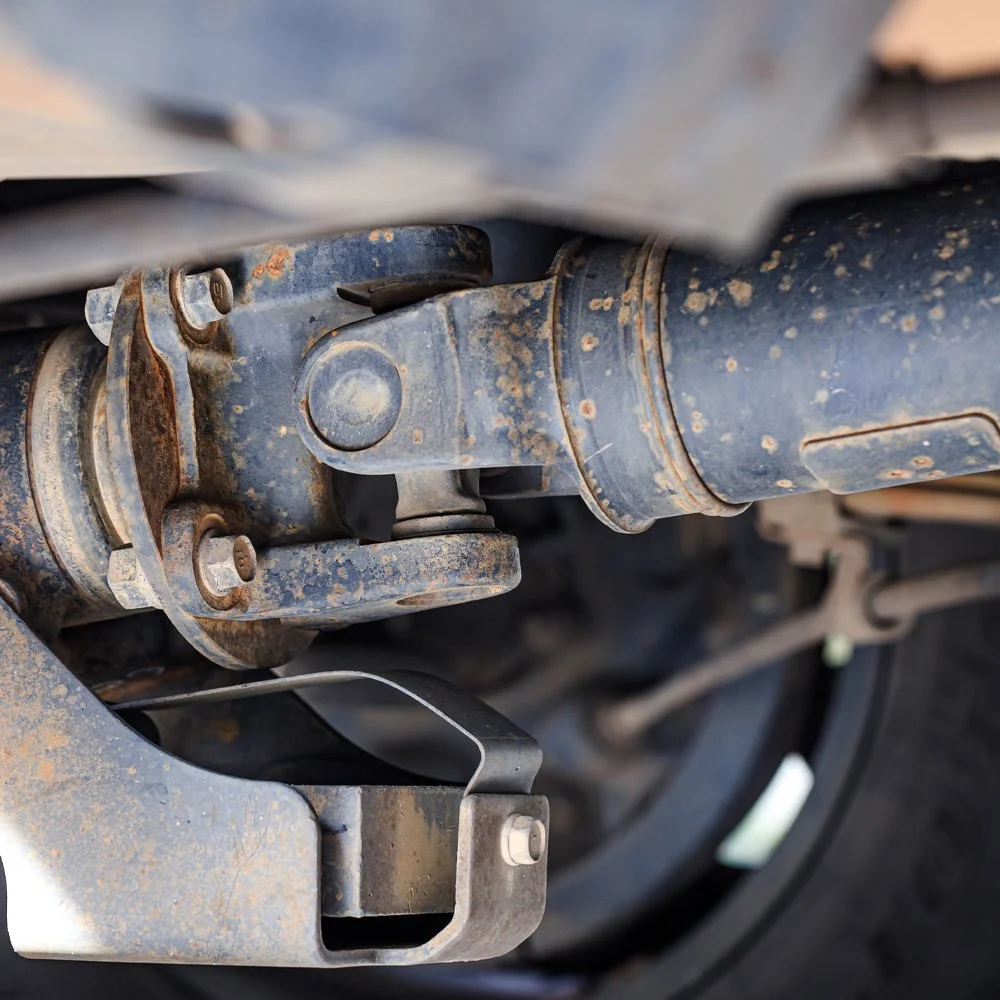
A worn universal joint is one of the most common causes of propshaft problems, often leading to vibration, noise and premature driveline failure.
Why Do Propshafts Fail?
Most propshaft failures do not happen without warning. They typically develop gradually as wear accumulates within the driveline.
Several factors contribute to failure, including:
Insufficient lubrication
Worn universal joints
Failed centre bearings
Propshaft imbalance
Corrosion
Impact damage
Incorrect installation
Excessive operating loads
Regular inspections and preventative maintenance can identify many of these issues before they become major repairs.
1. Lack of Lubrication
One of the most common causes of propshaft problems is inadequate lubrication.
Universal joints, slip joints and other moving components rely on grease to minimise friction and dissipate heat. Without proper lubrication, metal surfaces begin to wear against one another, accelerating deterioration and increasing the likelihood of premature failure.
Signs of poor lubrication include:
Squeaking noises
Increased vibration
Excessive joint play
Overheating
Grease contamination
Following the manufacturer's lubrication schedule is one of the simplest and most effective ways to prolong propshaft life.
2. Worn or Damaged Universal Joints
Universal joints are among the hardest-working components in any driveline.
They allow the propshaft to transmit power while accommodating changes in operating angle caused by suspension movement or chassis articulation.
Over time, bearing wear, contamination or lack of lubrication can lead to universal joint failure.
Common symptoms include:
Clunking when changing gears
Driveline vibration
Clicking or knocking noises
Difficulty transmitting power smoothly
Replacing worn universal joints early can prevent damage to the entire propshaft assembly.
3. Failed Centre Bearings
Many two-piece propshaft assemblies use a centre bearing to support the shaft and maintain correct alignment.
As the rubber mounting deteriorates or the bearing itself wears, the propshaft can begin moving excessively during operation.
A failing centre bearing often causes:
Driveline vibration
Rumbling noises
Misalignment
Increased wear on surrounding components
Ignoring a worn centre bearing places additional stress on universal joints and the propshaft itself.
4. Propshaft Imbalance
A properly balanced propshaft rotates smoothly at high speed.
If balance weights become damaged or components are replaced without subsequent propshaft balancing, vibration can develop throughout the driveline.
Imbalance commonly results from:
Component replacement
Impact damage
Bent tubing
Manufacturing tolerances
Excessive wear
Even small imbalances can generate significant vibration at operating speed, reducing component life and affecting vehicle performance.
Professional dynamic balancing restores smooth operation and helps prevent future failures.
5. Corrosion and Environmental Damage
Harsh operating environments significantly increase the risk of propshaft failure.
Mining, marine, agricultural and off-road applications regularly expose driveline components to:
Water
Mud
Dust
Chemicals
Salt
Abrasive materials
Over time, corrosion weakens the shaft while contaminants accelerate bearing and universal joint wear.
Routine cleaning and inspection help minimise long-term damage.
6. Impact Damage
Propshafts are engineered to withstand substantial torque but are vulnerable to physical damage.
Striking rocks, debris or obstacles can dent or bend the shaft, creating imbalance and placing additional stress on surrounding components.
After any significant impact, the propshaft should be professionally inspected before equipment returns to service.
7. Incorrect Installation or Alignment
Improper installation is another overlooked cause of propshaft problems.
Incorrect driveline angles, poor alignment or improperly torqued fasteners can increase vibration and accelerate wear.
Following manufacturer specifications and ensuring correct installation helps maximise the service life of the entire driveline.
8. Excessive Operating Loads
Mining and heavy industrial equipment frequently operate under demanding conditions.
Repeated overloading, aggressive operation and shock loading increase stresses throughout the driveline, leading to:
Accelerated universal joint wear
Twist damage
Fatigue cracking
Premature component failure
Operating equipment within its designed capacity helps protect the propshaft and associated driveline components.
Warning Signs of Propshaft Problems
While the causes vary, many failing propshafts display similar symptoms.
Watch for:
Excessive vibration
Clunking or knocking noises
Squeaking universal joints
Shuddering under acceleration
Visible damage
Grease leakage
Unusual driveline noise
Increased movement within joints
Addressing these warning signs early can prevent more extensive repairs.
How to Prevent Propshaft Failure
Preventative maintenance remains the most effective way to reduce unplanned downtime.
Best practices include:
Inspecting propshafts during scheduled servicing
Maintaining proper lubrication intervals
Replacing worn universal joints promptly
Monitoring centre bearing condition
Checking for corrosion and physical damage
Performing professional dynamic balancing after repairs
Investigating driveline vibration as soon as it appears
A proactive maintenance programme significantly extends component life while improving equipment reliability.
Repair or Replace?
Not every damaged propshaft requires complete replacement.
Many propshaft problems can be resolved through professional repair services, including:
Universal joint replacement
Centre bearing replacement
Tube repairs
Straightening
Dynamic balancing
Complete refurbishment
Where structural damage is severe or the shaft has reached the end of its service life, replacement may provide the safest and most cost-effective solution.
Conclusion
Propshaft failures are rarely caused by a single event. More often, they result from gradual wear, inadequate maintenance or operating conditions that place excessive stress on the driveline. Recognising the early warning signs and understanding the underlying causes can help businesses avoid unexpected breakdowns, reduce repair costs and maximise equipment uptime.
Whether you're responsible for a mining fleet, commercial vehicles or industrial machinery, routine inspections and preventative maintenance are essential for keeping your driveline operating safely and efficiently. Addressing minor issues before they develop into major failures not only extends the lifespan of your propshaft but also protects other critical driveline components.
FAQs
-
The most common propshaft problems include excessive vibration, unusual noises, worn universal joints, failed centre bearings, imbalance, corrosion and impact damage. Early diagnosis helps prevent more serious driveline failures.
-
Propshafts typically fail because of poor lubrication, worn components, excessive operating loads, corrosion, incorrect installation or physical damage. Regular servicing significantly reduces the risk of unexpected failure.
-
Common warning signs include vibration during driving, clunking noises when changing gears, squeaking universal joints, shuddering under load and visible damage to the propshaft or its supporting components.
-
Yes. Many propshafts can be repaired through universal joint replacement, centre bearing replacement, straightening, tube repairs and dynamic balancing. Severe structural damage may require complete replacement.
-
Routine inspections, proper lubrication, replacing worn components promptly and professional dynamic balancing after repairs are among the most effective ways to prevent propshaft problems and extend component life.
Keep Your Driveline Performing at Its Best
At Propshaft Master, we specialise in professional propshaft repairs, custom manufacturing, dynamic balancing and complete driveline solutions for the mining, transport, industrial, rail and marine sectors across Africa. Whether you require preventative maintenance or emergency repairs, our experienced team is ready to help keep your operations moving.