
Published by Propshaft Master
Driveline vibration is one of the most common warning signs that something within a vehicle's power transmission system is no longer operating as it should. While a slight vibration may seem insignificant at first, it often indicates an underlying issue that, if left unresolved, can lead to accelerated component wear, costly repairs and unplanned downtime.
Whether you operate mining equipment, heavy commercial vehicles, agricultural machinery or industrial equipment, identifying the source of driveline vibration early can prevent minor faults from developing into major mechanical failures.
The challenge is that driveline vibration rarely has a single cause. Worn universal joints, damaged centre bearings, an unbalanced propshaft or incorrect driveline angles can all produce similar symptoms. Understanding these potential causes is the first step towards restoring smooth, reliable performance.
In this guide, we'll explain what driveline vibration is, explore the most common causes and outline the solutions that help keep your equipment operating safely and efficiently.
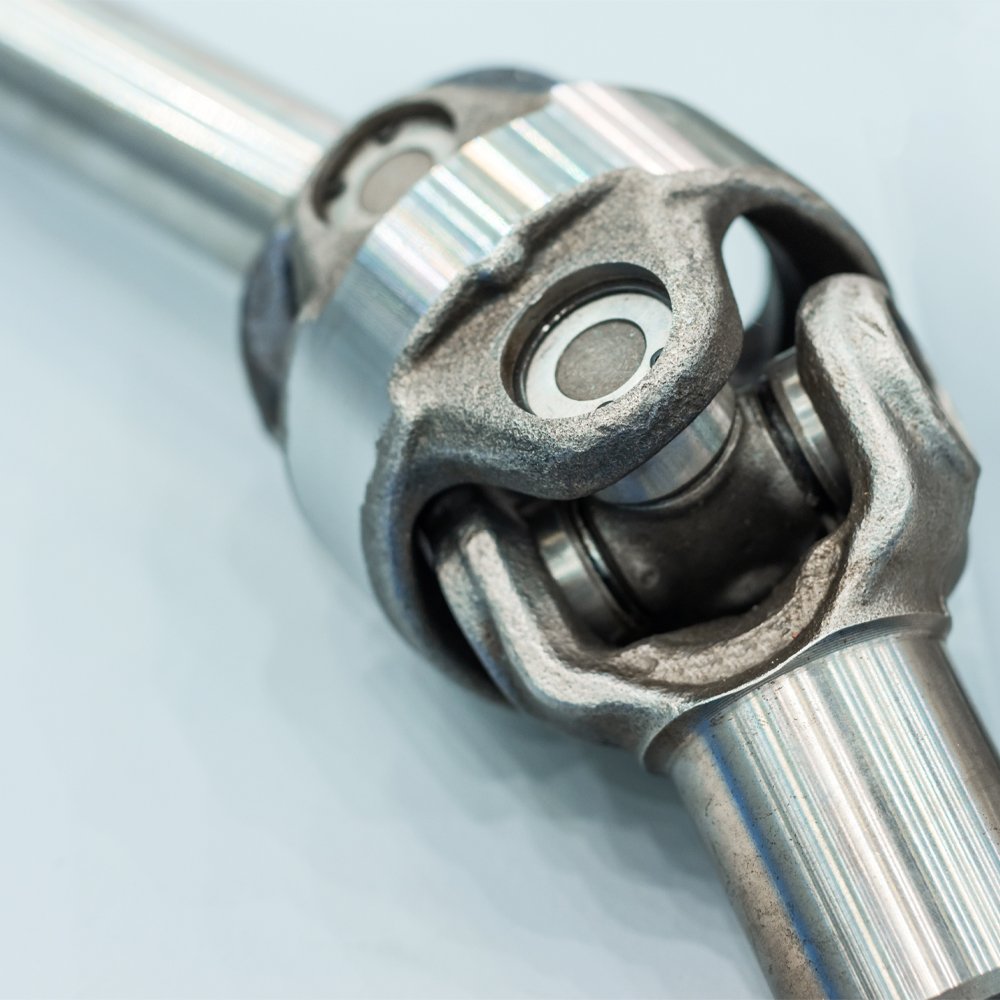
A heavy-duty propshaft universal joint. Wear, imbalance and damaged driveline components can all contribute to unwanted vibration and reduced drivetrain performance.
What Is Driveline Vibration?
Driveline vibration refers to unwanted movement or oscillation transmitted through the vehicle or machine while the driveline is rotating. It may be felt through the steering wheel, vehicle floor, seat or chassis and often becomes more noticeable at certain speeds or under specific operating conditions.
Unlike normal engine or road vibration, driveline vibration is usually caused by an imbalance or fault somewhere within the rotating driveline assembly.
Common components that can contribute to vibration include:
Propshafts (driveshafts)
Universal joints (U-joints)
Centre bearings
Slip joints
Transmission output shafts
Differential pinion flanges
Couplings and yokes
Because these components work together as a complete system, a fault in one area often affects the performance of the entire driveline.
Why Does Driveline Vibration Occur?
Every rotating component within the driveline must remain correctly aligned, balanced and supported.
When one component becomes worn, damaged or misaligned, it creates forces that are transferred throughout the system. As rotational speed increases, these forces become more pronounced, making vibration increasingly noticeable.
Professional diagnosis focuses on identifying the root cause rather than simply treating the symptom.
Common Causes of Driveshaft Vibration
Worn Universal Joints
Universal joints allow the propshaft to transmit power while accommodating movement within the suspension and driveline.
Over time, bearing wear, insufficient lubrication and contamination can cause the joints to develop excessive play.
Common symptoms include:
Clunking during acceleration
Vibration under load
Squeaking noises
Excessive movement within the joint
Replacing worn universal joints before complete failure helps protect surrounding driveline components.
Driveshaft Imbalance
A driveshaft rotating at several thousand revolutions per minute must be precisely balanced.
If balance weights are lost or the shaft becomes damaged, rotational forces increase dramatically.
This often results in:
Persistent vibration
Vibration at higher speeds
Increased wear on bearings
Reduced operator comfort
Professional driveshaft balancing restores correct weight distribution and eliminates unnecessary vibration.
Damaged Centre Bearings
Longer propshaft assemblies often rely on centre bearings for support.
As bearings wear, the shaft begins to move excessively during operation.
Typical symptoms include:
Humming noises
Floor vibration
Driveline shudder
Increased movement within the shaft
Ignoring a worn centre bearing often places additional stress on universal joints and transmission components.
Bent or Damaged Propshafts
A propshaft may become bent following impact damage, off-road operation or improper handling during repairs.
Even a small amount of distortion can create noticeable vibration at operating speed.
Professional inspection can determine whether the shaft requires straightening or replacement.
Incorrect Driveline Angles
The operating angles between the transmission, propshaft and differential must remain within acceptable tolerances.
Incorrect angles may result from:
Suspension modifications
Worn mountings
Chassis damage
Incorrect installation
Misalignment accelerates universal joint wear and contributes to ongoing vibration.
Loose or Worn Components
Loose fasteners, worn flanges or deteriorated mountings can all introduce movement into the driveline.
Routine inspections help identify these issues before they develop into more serious problems.
Symptoms of Driveline Vibration
Recognising the symptoms early allows repairs to be carried out before major damage occurs.
Common warning signs include:
Vibration at high speeds
Vibration during acceleration
Shuddering under load
Steering wheel vibration
Floor or seat vibration
Driveline humming or droning
Clunking during gear changes
Squeaking universal joints
Excessive drivetrain noise
Although these symptoms often point towards the driveline, a professional inspection is the best way to identify the exact cause.
Why Does Driveshaft Vibration Often Increase at High Speeds?
Many operators notice that vibration is barely noticeable at low speeds but becomes progressively worse as speed increases.
This occurs because centrifugal forces increase exponentially as rotational speed rises.
A minor imbalance that has little effect at low speed can generate significant vibration once the propshaft reaches normal operating RPM.
This is why professional dynamic balancing is carried out using specialist balancing machines that simulate real operating conditions.
How Driveline Vibration Is Diagnosed
Accurate diagnosis requires more than simply replacing worn components.
Experienced driveline specialists will typically inspect:
Universal joints
Centre bearings
Slip joints
Propshaft alignment
Balance weights
Propshaft run-out
Mounting flanges
Transmission output shaft
Differential pinion flange
If no obvious mechanical defects are found, the propshaft may undergo professional dynamic balancing to identify rotational imbalance.
How Professional Repairs Resolve Driveline Vibration
Once the source of vibration has been identified, repairs may include:
Universal joint replacement
Centre bearing replacement
Propshaft straightening
Slip joint refurbishment
Flange replacement
Dynamic driveshaft balancing
Complete propshaft rebuilding
Every repair should restore the driveline to its original operating tolerances, ensuring smooth and reliable performance.
Preventing Future Driveline Vibration
Preventative maintenance is the most effective way to minimise vibration-related failures.
Best practices include:
Inspecting propshafts during scheduled servicing
Lubricating universal joints correctly
Replacing worn components promptly
Checking driveline alignment
Monitoring for unusual noises
Investigating vibration immediately
Professionally balancing repaired propshafts
Following manufacturer maintenance schedules
Routine inspections not only improve reliability but also extend the service life of the complete driveline system.
When Should You Seek Professional Assistance?
While some symptoms may appear minor, persistent driveline vibration should never be ignored.
Professional inspection is recommended if you experience:
Continuous vibration at speed
Vibration under acceleration
Repeated universal joint failures
Noticeable driveline noise
Bent or damaged propshafts
Missing balance weights
Excessive centre bearing wear
Early diagnosis is almost always more cost-effective than waiting for complete component failure.
Conclusion
Driveline vibration is more than an inconvenience—it is often an early indication of wear, imbalance or mechanical damage within the power transmission system. Identifying the root cause quickly helps prevent unnecessary component wear, reduces downtime and lowers long-term maintenance costs.
Whether the problem is caused by worn universal joints, damaged centre bearings, an unbalanced propshaft or incorrect driveline alignment, professional diagnosis ensures repairs address the underlying issue rather than simply masking the symptoms.
FAQs
-
Driveline vibration is commonly caused by worn universal joints, driveshaft imbalance, damaged centre bearings, bent propshafts or incorrect driveline alignment. A professional inspection can identify the exact source of the problem.
-
A driveshaft that vibrates at high speed is often suffering from imbalance, worn universal joints or a bent shaft. As rotational speed increases, even minor faults become more noticeable.
-
Yes. Worn universal joints are one of the most common causes of driveline vibration. As the joint develops excessive play, it creates unwanted movement that becomes increasingly noticeable during acceleration or at higher speeds.
-
Driveshaft imbalance occurs when the rotating shaft no longer has an even weight distribution. This causes vibration, increased bearing loads and accelerated wear on surrounding driveline components.
-
Specialists inspect universal joints, centre bearings, slip joints, driveline angles, propshaft alignment and balance. If necessary, the propshaft is dynamically balanced using specialist equipment to identify and correct rotational imbalance.
-
Yes. Persistent vibration places additional stress on bearings, transmissions, differentials, universal joints and other rotating components. Addressing the issue early helps prevent more extensive repairs.
Keep Your Driveline Performing at Its Best
At Propshaft Master, we specialise in professional propshaft repairs, custom manufacturing, dynamic balancing and complete driveline solutions for the mining, transport, industrial, rail and marine sectors across Africa. Whether you require preventative maintenance or emergency repairs, our experienced team is ready to help keep your operations moving.